
Popular Tree Removal Products Every Property Owner Should Know
Discover essential tools and gear that ensure safe and effective tree removal, helping you tackle projects with confidence and precision.
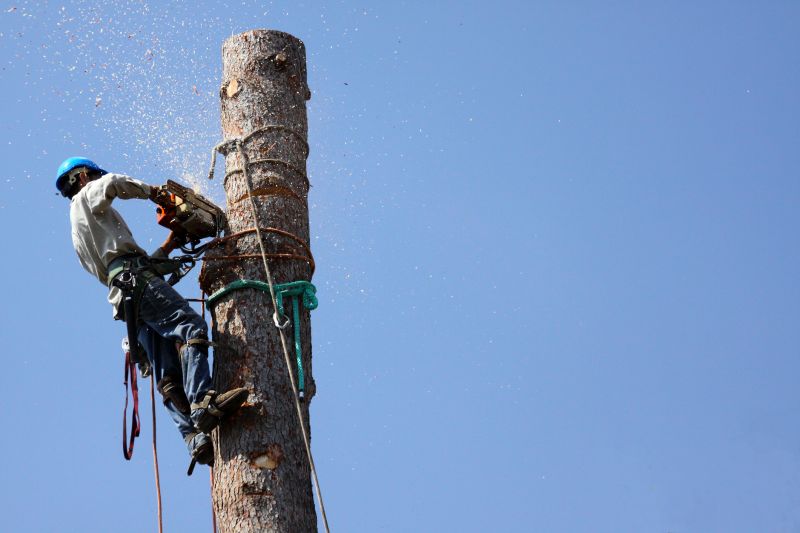 In the realm of tree removal, selecting the appropriate tools and products is essential for safety and efficiency. Whether managing a small backyard tree or a larger, more complex removal project, having the right equipment can make a significant difference. From manual hand tools to motorized machinery, the options available cater to various levels of experience and project scope. Proper planning and understanding of the tools can help ensure that the process is carried out smoothly and safely.
Top Overall Option
Multi-Purpose Tree Pruning and Cutting Tool
A versatile tool designed for various tree removal tasks, combining cutting, pruning, and limbing functions into a single device. Its ergonomic design and adjustable features make it suitable for different tree sizes and types, providing users with a reliable option for both minor trimming and larger limb removal.
Types of Products For Tree Removals
Chainsaws
Powerful portable saws ideal for cutting through large branches and trunks quickly and efficiently.
Pole Saws
Extended reach saws designed for trimming high branches safely from the ground.
Hand Pruners and Loppers
Smaller cutting tools suitable for trimming smaller branches and limbs.
Axe and Hatchet Sets
Traditional tools for chopping and splitting wood or removing smaller trees.
Rope and Pulley Systems
Equipment used to control the fall of large branches or trees during removal.
Chainsaw Carving Bars
Specialized bars for detailed cutting and shaping of wood during removal.
Tree Felling Wedges
Tools used to guide the direction of a falling tree and prevent splitting.
Safety Gear
Protective equipment including helmets, gloves, eye protection, and hearing protection.
Ladders and Climbing Gear
Essential for accessing high branches safely during trimming or removal.
Stump Grinders
Machines designed to remove remaining tree stumps after felling.
Debris Chippers
Equipment used to convert branches and limbs into mulch or chips for disposal.
Winches and Hoists
Tools used to lift or pull heavy limbs and sections safely to the ground.
Tree Removal Kits
Complete sets that include multiple tools and accessories for comprehensive removal projects.
Electric and Battery-Operated Tools
Cordless options offering mobility and ease of use for various removal tasks.
Manual Hand Saws
Lightweight saws suitable for small branches and detailed cuts.
Popular Choices
Widely used for their power and mobility in larger tree removal projects.
Trending for their ability to safely trim high branches from the ground.
Popular for precise trimming of smaller branches and limbs.
Favored for quieter operation and ease of maintenance on smaller projects.
Commonly used to direct the fall of trees safely during removal.
Widely recommended for personal protection during tree work.
Popular for efficient stump removal after tree felling.
Essential for professional tree climbers and serious DIYers.
Trending for controlling large limbs and ensuring safe removal.
Increasing in popularity for managing branch waste efficiently.
Growing in popularity for their portability and ease of use.
Still favored for small, precise cuts and trimming tasks.
Safety remains a top priority when undertaking tree removal tasks. Protective gear such as helmets, gloves, and eye protection should always accompany the use of any equipment. Additionally, understanding the size and type of the tree, as well as its location and surrounding environment, can influence the choice of products used. For larger trees, more powerful tools and possibly professional assistance may be necessary, while smaller trees can often be managed with basic equipment.
Maintenance and proper handling of tools are also crucial. Regular inspection of equipment for wear and damage can prevent accidents and ensure optimal performance. When selecting products for tree removal, consider the ease of use, durability, and suitability for the specific job at hand. Investing in quality tools can lead to safer, more efficient work and potentially reduce long-term costs associated with repairs or replacements.
In Summerville, SC, homeowners and professionals alike can find a variety of products designed to facilitate tree removal projects. Understanding the different types of tools and their applications helps in making informed decisions, leading to safer and more effective tree management efforts. Whether tackling a small limb removal or a large-scale tree clearance, choosing the right equipment is an important step toward successful completion.
Key Buying Considerations
- Tree size and type: Ensure the equipment is suitable for the specific tree species and size you plan to work on.
- Power source: Decide between gas, electric, or battery-powered tools based on mobility and convenience.
- Safety features: Look for protective guards, ergonomic handles, and safety switches to prevent accidents.
- Ease of use: Choose tools that match your experience level and comfort with handling equipment.
- Durability and build quality: Invest in well-constructed tools to withstand demanding tasks and frequent use.
- Maintenance requirements: Consider how easy it is to clean, sharpen, or repair the equipment.
- Reach and accessibility: For high branches, select tools with extended reach or climbing capabilities.
- Budget: Balance the cost with features and quality to find a tool that offers good value.
- Storage and portability: Think about how easy it is to store and transport the equipment to your work site.
- Environmental conditions: Ensure the equipment is suitable for outdoor use in varying weather conditions.
- Compatibility with accessories: Check if the tools can be used with additional attachments or accessories for versatility.
- Noise levels: Consider quieter options if working in noise-sensitive areas.
- User reviews and ratings: Research feedback from other users to gauge reliability and performance.
- Availability of replacement parts: Ensure that spare parts and accessories are readily accessible.
- Professional vs DIY use: Choose equipment aligned with your skill level and project scope.
This content contains affiliate links. We may earn a commission if you purchase through these links, which helps support our work and provides you with valuable product information.